
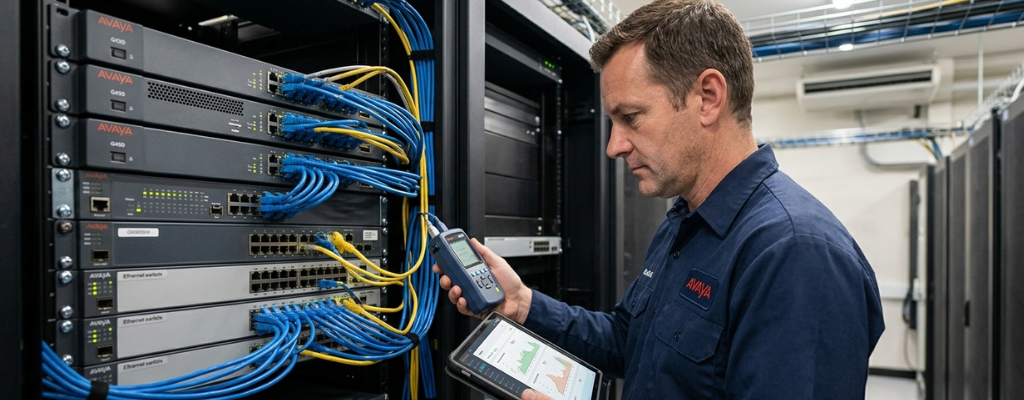
Avaya System Maintenance Explained | Morgan Birgé
Avaya System Maintenance: What Telecom Companies Actually Do (And Why It Matters)
Businesses rely on their phone systems to handle sales calls, customer service requests, and internal communication. When those systems fail, the impact is immediate: dropped calls, missed opportunities, and frustrated customers.
Avaya systems have powered enterprise communications for decades, but maintaining them today requires specialized knowledge and a proactive approach. Telecom companies play a critical role in keeping these systems operational, secure, and aligned with modern infrastructure.
Understanding what Avaya system maintenance actually involves helps organizations protect uptime, extend system lifespan, and make smarter technology decisions.
What Is Avaya System Maintenance?
Avaya system maintenance refers to the ongoing monitoring, support, and optimization of Avaya phone systems, PBX infrastructure, and communication platforms. These systems often include hardware, software, network connections, and call management tools working together.
Maintenance is not simply fixing problems after they occur. It involves a structured process designed to prevent disruptions and ensure the system operates efficiently.
Typical maintenance responsibilities include:
Monitoring system health and performance
Installing security updates and patches
Troubleshooting call quality issues
Replacing aging hardware components
Backing up configurations and call routing settings
Ensuring compatibility with network and SIP services
For organizations still using Avaya IP Office, Avaya Aura, or legacy PBX platforms, consistent maintenance is essential to avoid costly downtime.
Why Avaya Systems Require Specialized Maintenance
Avaya platforms are powerful but complex communication systems. Unlike simple VoIP phone services, enterprise PBX environments involve multiple layers of infrastructure.
A typical Avaya deployment may include:
Call processing servers
Gateways and trunk connections
Voicemail systems
Contact center software
Network routing and QoS configuration
Each component must function properly for the entire system to work.
Small configuration issues can lead to serious problems, such as:
Calls failing to connect
Delays when dialing out
One-way audio
Dropped calls during transfers
Telecommunications service providers maintain these environments because they understand how the different pieces interact.
What Telecom Companies Actually Do During Avaya Maintenance
Many organizations assume maintenance simply means answering support tickets. In reality, telecom providers perform a wide range of proactive tasks to keep systems stable.
1. Monitoring System Health
Telecom engineers continuously monitor system activity to identify early warning signs of trouble.
They analyze indicators such as:
CPU and memory usage
Call volume patterns
Network latency
Packet loss affecting voice traffic
When abnormal patterns appear, technicians can investigate before the issue affects users.
This type of proactive monitoring prevents minor issues from becoming major outages.
2. Managing Software Updates and Security Patches
Avaya systems run complex communication software that requires regular updates.
Telecom providers install patches to:
Fix bugs in call routing or voicemail systems
Address known vulnerabilities
Improve compatibility with SIP providers or network upgrades
Without patch management, outdated systems can develop security weaknesses or unpredictable behavior.
Maintenance ensures the software environment remains stable.
3. Maintaining Call Routing and System Configuration
One of the most important aspects of Avaya maintenance is protecting the system configuration.
Avaya systems use detailed programming to control:
Auto attendants
IVR menus
Call forwarding rules
Department call queues
Emergency call routing
If these settings are lost or corrupted, the business can lose critical functionality.
Telecom companies regularly back up system configurations and verify that routing logic still aligns with the organization’s operations.
4. Troubleshooting Voice Quality Issues
Voice quality problems are one of the most common complaints in business phone systems.
Telecom engineers investigate issues such as:
Echo or delay during calls
Choppy audio
One-way audio
Calls disconnecting mid-conversation
These problems often originate outside the phone system itself.
They may involve:
network congestion
poor QoS configuration
ISP routing problems
SIP trunk instability
Maintenance teams diagnose these issues across the entire communication stack.
5. Replacing Aging Hardware
Many Avaya systems still operate on legacy hardware installed years or even decades ago.
Components that commonly require replacement include:
Expansion Modules
Interface Cards
Power Supplies
Digital Handsets
Telecom providers track hardware health and replace failing components before they cause outages.
This approach helps organizations extend the useful life of existing systems.
6. Ensuring Network Compatibility
Modern business networks evolve constantly.
Organizations add cloud applications, remote workers, and new security tools that can affect voice traffic.
Telecom companies ensure the Avaya environment remains compatible with changes such as:
New Firewalls
Updated Routers
Network Segmentation
Sip Trunk Providers
Without regular testing, infrastructure changes can disrupt phone systems.
7. Planning for System Upgrades or Migration
Maintenance is not just about keeping systems running today. It also involves preparing for the future.
Telecom providers evaluate factors such as:
System Age
Vendor Support Status
Hardware Availability
Business Growth
This helps organizations determine whether they should:
Maintain the existing Avaya system
Upgrade to newer Avaya platforms
Transition to cloud communications
Strategic planning prevents rushed decisions when systems reach end of support.
Why Avaya Maintenance Matters More Today
Avaya systems remain widely used, but the telecom landscape is changing rapidly.
Many businesses now operate in hybrid environments that combine:
Legacy Pbx Infrastructure
Sip Trunking
Cloud Collaboration Platforms
Remote Work Tools
This complexity increases the risk of communication disruptions.
Proper maintenance ensures older systems continue functioning within modern infrastructure.
Common Misconceptions About Avaya System Maintenance
“If the system is working, it doesn’t need maintenance.”
Phone systems can appear stable while underlying issues develop silently. Without monitoring and updates, minor problems eventually become service disruptions.
“Avaya systems are outdated and should simply be replaced.”
Many Avaya platforms remain reliable and cost-effective when properly maintained. Replacement decisions should be based on business needs rather than assumptions about age.
“IT teams can manage telecom systems without specialized expertise.”
While IT professionals manage networks effectively, telecom systems involve unique configurations and signaling protocols. Specialized telecom knowledge helps avoid costly mistakes.
Signs Your Avaya System May Need Maintenance
Organizations often recognize maintenance needs only after problems occur.
Early warning signs include:
Frequent call quality complaints
Slow response when dialing extensions
Voicemail issues
System alarms or warning messages
Unexplained call routing errors
Addressing these issues early prevents service interruptions.
Practical Takeaways for Businesses Using Avaya Systems
Organizations that rely on Avaya communication platforms should focus on three priorities.
1. Maintain Regular Monitoring
Continuous monitoring helps identify issues before they affect daily operations.
2. Protect System Configuration
Regular backups ensure critical call routing settings can be restored quickly.
3. Plan for Long-Term Strategy
Understanding system lifespan and support options allows businesses to plan upgrades without disruption.
A proactive approach keeps the communication infrastructure reliable and predictable.
The Real Value of Telecom Expertise
Avaya environments often contain years of configuration history, custom routing rules, and integrations with business applications.
Telecom IT specialists understand how to navigate these complexities while minimizing risk.
Their experience helps organizations maintain stable communications while evaluating long-term technology strategies.
Summary
Avaya system maintenance involves far more than occasional troubleshooting. Telecom companies monitor system health, manage software updates, protect configuration settings, troubleshoot voice quality issues, and plan for future upgrades.
These efforts help businesses avoid downtime, extend system lifespan, and ensure communication systems remain reliable even as technology evolves.
Organizations that rely on Avaya platforms benefit from proactive maintenance and strategic guidance. With the right expertise in place, legacy communication systems can continue supporting business operations while companies plan for the future.
Avaya service providers work with organizations to help navigate the complexities of business communication infrastructure and make informed decisions about maintaining, upgrading, or evolving their telecom systems.

We Can Help
Call us at (312) 728-7652 or fill out the form below.
Featured Posts
Avaya System Maintenance Explained | Morgan Birgé
Avaya System Maintenance: What Telecom Companies Actually Do (And Why It Matters)
Businesses rely on their phone systems to handle sales calls, customer service requests, and internal communication. When those systems fail, the impact is immediate: dropped calls, missed opportunities, and frustrated customers.
Avaya systems have powered enterprise communications for decades, but maintaining them today requires specialized knowledge and a proactive approach. Telecom companies play a critical role in keeping these systems operational, secure, and aligned with modern infrastructure.
Understanding what Avaya system maintenance actually involves helps organizations protect uptime, extend system lifespan, and make smarter technology decisions.
What Is Avaya System Maintenance?
Avaya system maintenance refers to the ongoing monitoring, support, and optimization of Avaya phone systems, PBX infrastructure, and communication platforms. These systems often include hardware, software, network connections, and call management tools working together.
Maintenance is not simply fixing problems after they occur. It involves a structured process designed to prevent disruptions and ensure the system operates efficiently.
Typical maintenance responsibilities include:
Monitoring system health and performance
Installing security updates and patches
Troubleshooting call quality issues
Replacing aging hardware components
Backing up configurations and call routing settings
Ensuring compatibility with network and SIP services
For organizations still using Avaya IP Office, Avaya Aura, or legacy PBX platforms, consistent maintenance is essential to avoid costly downtime.
Why Avaya Systems Require Specialized Maintenance
Avaya platforms are powerful but complex communication systems. Unlike simple VoIP phone services, enterprise PBX environments involve multiple layers of infrastructure.
A typical Avaya deployment may include:
Call processing servers
Gateways and trunk connections
Voicemail systems
Contact center software
Network routing and QoS configuration
Each component must function properly for the entire system to work.
Small configuration issues can lead to serious problems, such as:
Calls failing to connect
Delays when dialing out
One-way audio
Dropped calls during transfers
Telecommunications service providers maintain these environments because they understand how the different pieces interact.
What Telecom Companies Actually Do During Avaya Maintenance
Many organizations assume maintenance simply means answering support tickets. In reality, telecom providers perform a wide range of proactive tasks to keep systems stable.
1. Monitoring System Health
Telecom engineers continuously monitor system activity to identify early warning signs of trouble.
They analyze indicators such as:
CPU and memory usage
Call volume patterns
Network latency
Packet loss affecting voice traffic
When abnormal patterns appear, technicians can investigate before the issue affects users.
This type of proactive monitoring prevents minor issues from becoming major outages.
2. Managing Software Updates and Security Patches
Avaya systems run complex communication software that requires regular updates.
Telecom providers install patches to:
Fix bugs in call routing or voicemail systems
Address known vulnerabilities
Improve compatibility with SIP providers or network upgrades
Without patch management, outdated systems can develop security weaknesses or unpredictable behavior.
Maintenance ensures the software environment remains stable.
3. Maintaining Call Routing and System Configuration
One of the most important aspects of Avaya maintenance is protecting the system configuration.
Avaya systems use detailed programming to control:
Auto attendants
IVR menus
Call forwarding rules
Department call queues
Emergency call routing
If these settings are lost or corrupted, the business can lose critical functionality.
Telecom companies regularly back up system configurations and verify that routing logic still aligns with the organization’s operations.
4. Troubleshooting Voice Quality Issues
Voice quality problems are one of the most common complaints in business phone systems.
Telecom engineers investigate issues such as:
Echo or delay during calls
Choppy audio
One-way audio
Calls disconnecting mid-conversation
These problems often originate outside the phone system itself.
They may involve:
network congestion
poor QoS configuration
ISP routing problems
SIP trunk instability
Maintenance teams diagnose these issues across the entire communication stack.
5. Replacing Aging Hardware
Many Avaya systems still operate on legacy hardware installed years or even decades ago.
Components that commonly require replacement include:
Expansion Modules
Interface Cards
Power Supplies
Digital Handsets
Telecom providers track hardware health and replace failing components before they cause outages.
This approach helps organizations extend the useful life of existing systems.
6. Ensuring Network Compatibility
Modern business networks evolve constantly.
Organizations add cloud applications, remote workers, and new security tools that can affect voice traffic.
Telecom companies ensure the Avaya environment remains compatible with changes such as:
New Firewalls
Updated Routers
Network Segmentation
Sip Trunk Providers
Without regular testing, infrastructure changes can disrupt phone systems.
7. Planning for System Upgrades or Migration
Maintenance is not just about keeping systems running today. It also involves preparing for the future.
Telecom providers evaluate factors such as:
System Age
Vendor Support Status
Hardware Availability
Business Growth
This helps organizations determine whether they should:
Maintain the existing Avaya system
Upgrade to newer Avaya platforms
Transition to cloud communications
Strategic planning prevents rushed decisions when systems reach end of support.
Why Avaya Maintenance Matters More Today
Avaya systems remain widely used, but the telecom landscape is changing rapidly.
Many businesses now operate in hybrid environments that combine:
Legacy Pbx Infrastructure
Sip Trunking
Cloud Collaboration Platforms
Remote Work Tools
This complexity increases the risk of communication disruptions.
Proper maintenance ensures older systems continue functioning within modern infrastructure.
Common Misconceptions About Avaya System Maintenance
“If the system is working, it doesn’t need maintenance.”
Phone systems can appear stable while underlying issues develop silently. Without monitoring and updates, minor problems eventually become service disruptions.
“Avaya systems are outdated and should simply be replaced.”
Many Avaya platforms remain reliable and cost-effective when properly maintained. Replacement decisions should be based on business needs rather than assumptions about age.
“IT teams can manage telecom systems without specialized expertise.”
While IT professionals manage networks effectively, telecom systems involve unique configurations and signaling protocols. Specialized telecom knowledge helps avoid costly mistakes.
Signs Your Avaya System May Need Maintenance
Organizations often recognize maintenance needs only after problems occur.
Early warning signs include:
Frequent call quality complaints
Slow response when dialing extensions
Voicemail issues
System alarms or warning messages
Unexplained call routing errors
Addressing these issues early prevents service interruptions.
Practical Takeaways for Businesses Using Avaya Systems
Organizations that rely on Avaya communication platforms should focus on three priorities.
1. Maintain Regular Monitoring
Continuous monitoring helps identify issues before they affect daily operations.
2. Protect System Configuration
Regular backups ensure critical call routing settings can be restored quickly.
3. Plan for Long-Term Strategy
Understanding system lifespan and support options allows businesses to plan upgrades without disruption.
A proactive approach keeps the communication infrastructure reliable and predictable.
The Real Value of Telecom Expertise
Avaya environments often contain years of configuration history, custom routing rules, and integrations with business applications.
Telecom IT specialists understand how to navigate these complexities while minimizing risk.
Their experience helps organizations maintain stable communications while evaluating long-term technology strategies.
Summary
Avaya system maintenance involves far more than occasional troubleshooting. Telecom companies monitor system health, manage software updates, protect configuration settings, troubleshoot voice quality issues, and plan for future upgrades.
These efforts help businesses avoid downtime, extend system lifespan, and ensure communication systems remain reliable even as technology evolves.
Organizations that rely on Avaya platforms benefit from proactive maintenance and strategic guidance. With the right expertise in place, legacy communication systems can continue supporting business operations while companies plan for the future.
Avaya service providers work with organizations to help navigate the complexities of business communication infrastructure and make informed decisions about maintaining, upgrading, or evolving their telecom systems.
Enroll in Our Email Course

Learn How a No-Nonsense IT Strategy Benefits Your Company:
Strategies to allocate your IT budget efficiently
Enhance cybersecurity defenses on a budget
Ensure your technology investments continue to serve your business as it grows
Let’s Take Your Business to the Next Level
Above all, we promise never to hit you with hidden fees. We won’t push the "newest, fanciest, coolest" tech trends just for the sake of it. We're here to deliver reliable, integrity-driven communication solutions that work better and more efficiently than what you may be managing in-house.
To find out if managed services is the right fit for your business, contact us for a free assessment.
77 W Washington ST STE, 1705 Chicago, IL 60602
Indiana Office
114 E Joliet St
Schererville, IN 46375
© 2026 Morgan Birgé. All Rights Reserved. Built With MSP Sites | Privacy Policy
